“We live in a physical world. Everything around us is made of one Material or another…
...to have domain over Materials is to have domain over existence itself”

Why do things break? People have been interested in controlling mechanical properties since time immemorial. Understanding the connection between a material’s structure and its properties should enable intelligent design of materials with desired properties, but it is difficult to navigate the vast complexity of structure-property space.

Nothing theoretically prevents us from plucking perfect targets out of design space, but many strategies for materials design run up against practical limits of time and resources. As a result, much of the exciting potential for areas like nanotechnology, bioinspired engineering, and hierarchical architectures remains unfulfilled.

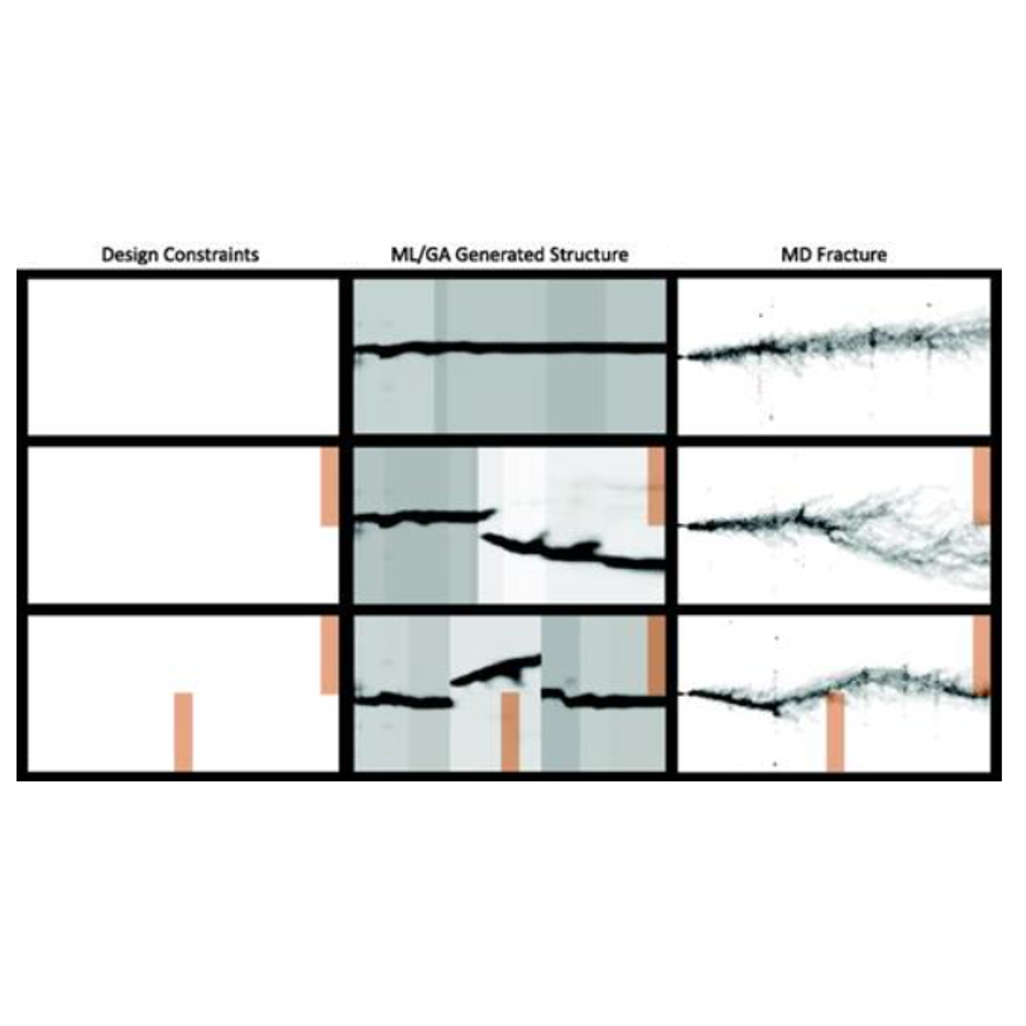
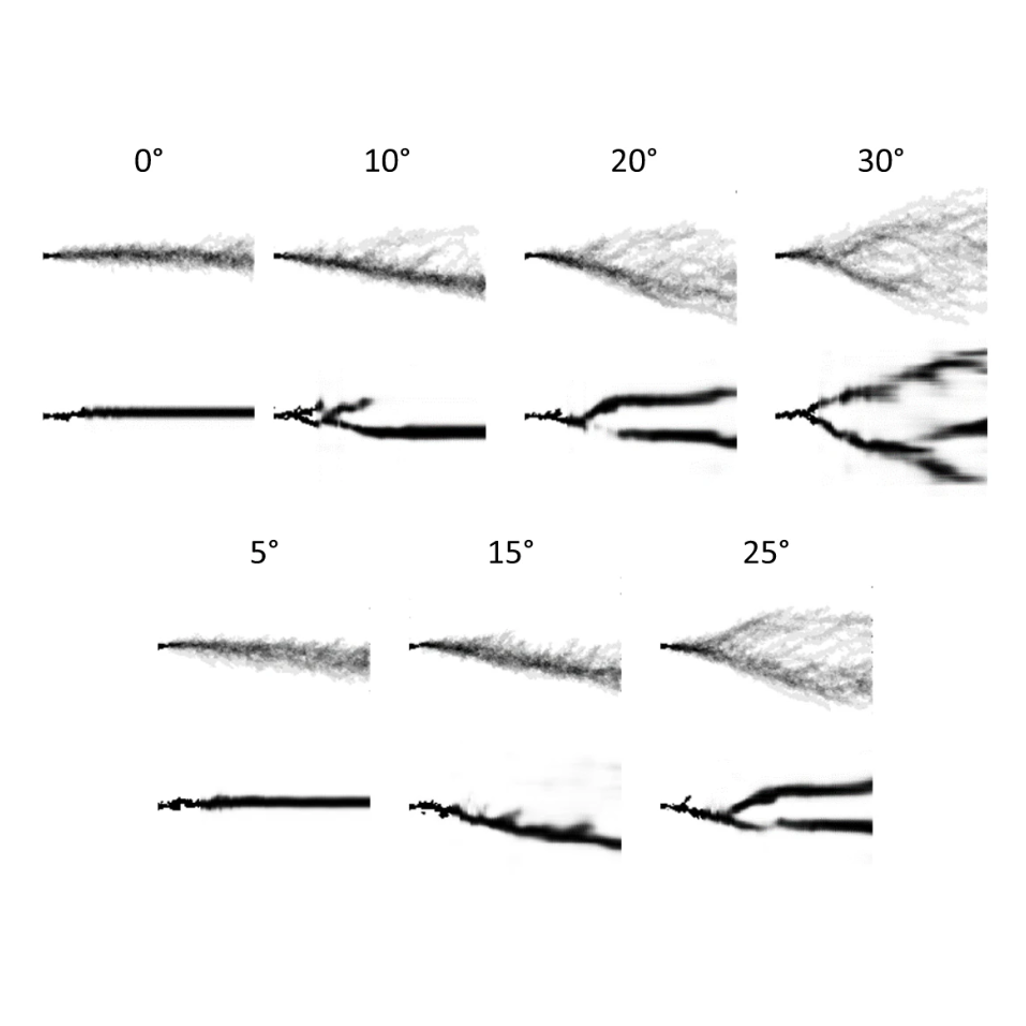
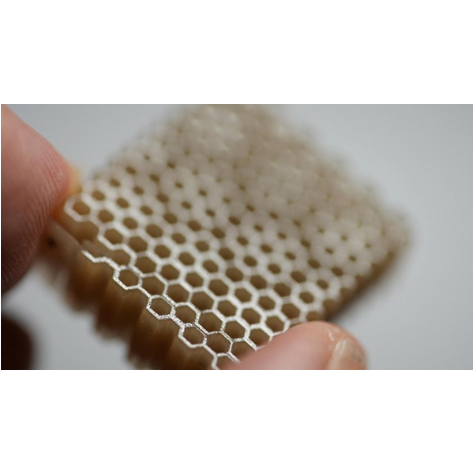
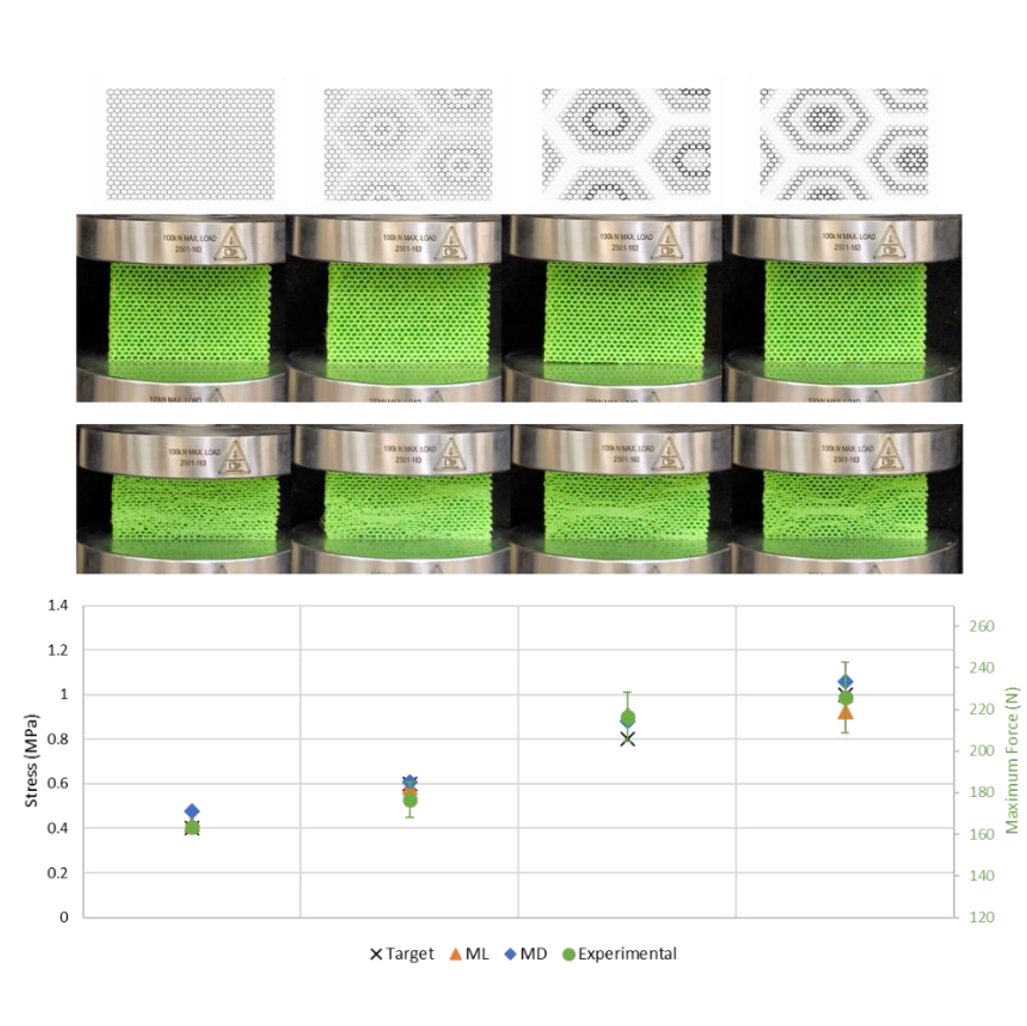
In my thesis, I leverage bioinspired experimentation, physics-based molecular simulation, and machine learning models to clarify structure-property space and achieve generative design across a variety of materials and properties of interest. Controlled fracture paths, bioinspired crystals with tailored hardness values, and hierarchical honeycombs with dictated stress strain behavior are only the beginnings of what modern AI-augmented research paradigms can accomplish.

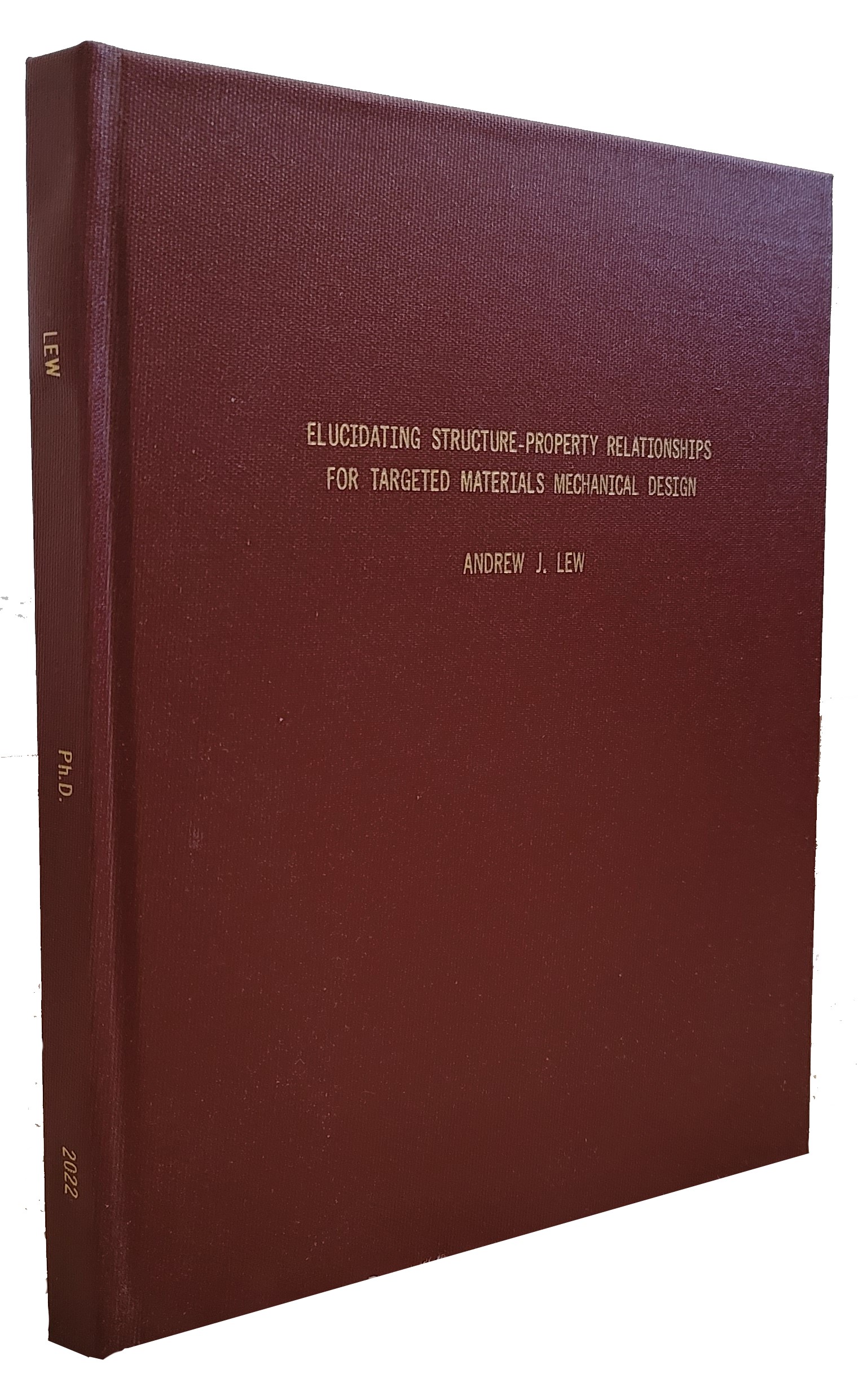
Read the full thesis here
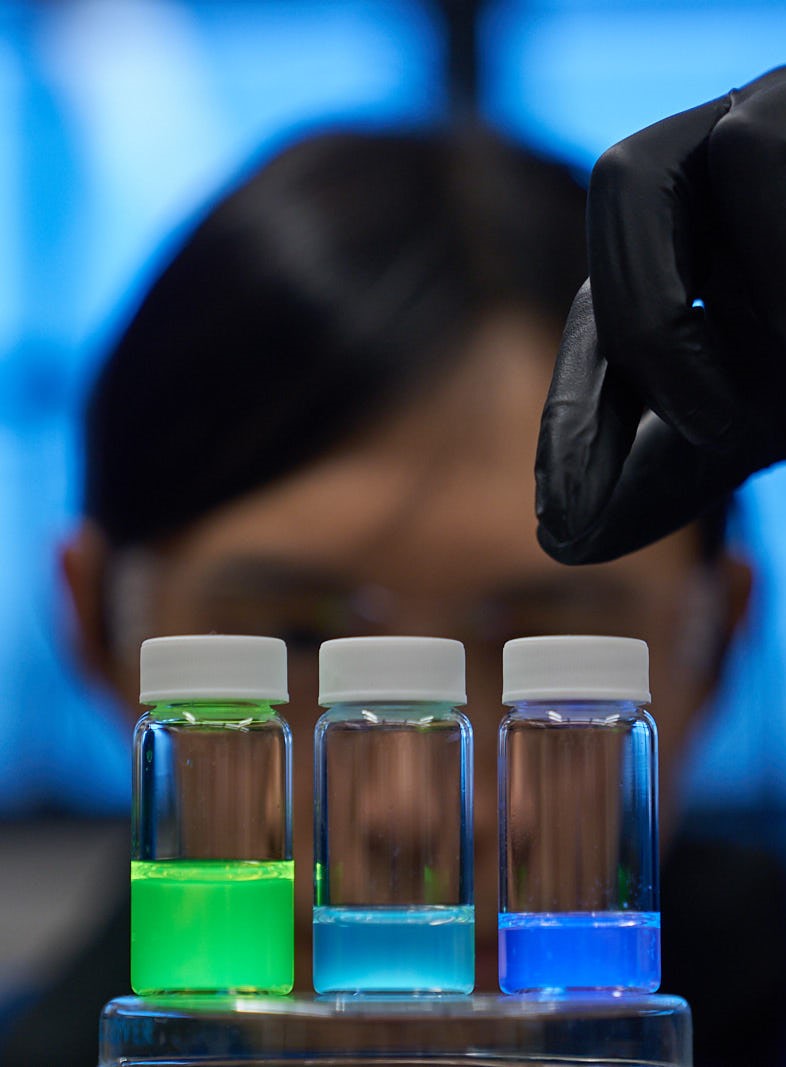
Can we reliably craft nanomaterials with controlled structure down to the molecular level? By taking inspiration from nature, we can leverage the work of millions of years of evolution as a starting point for design. For instance, biological cells have achieved incredibly complex nanostructures via self-assembly of amphiphilic molecules. We can use similar strategies to craft our own nanomaterials, but such amphiphile assemblies are not known to be mechanically robust.

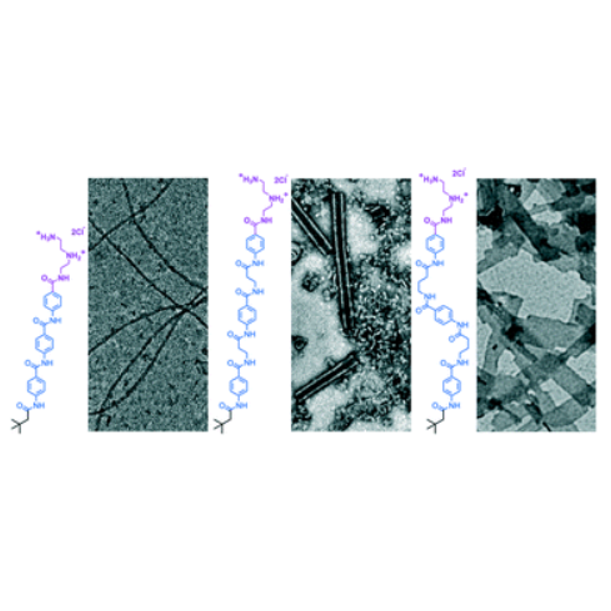
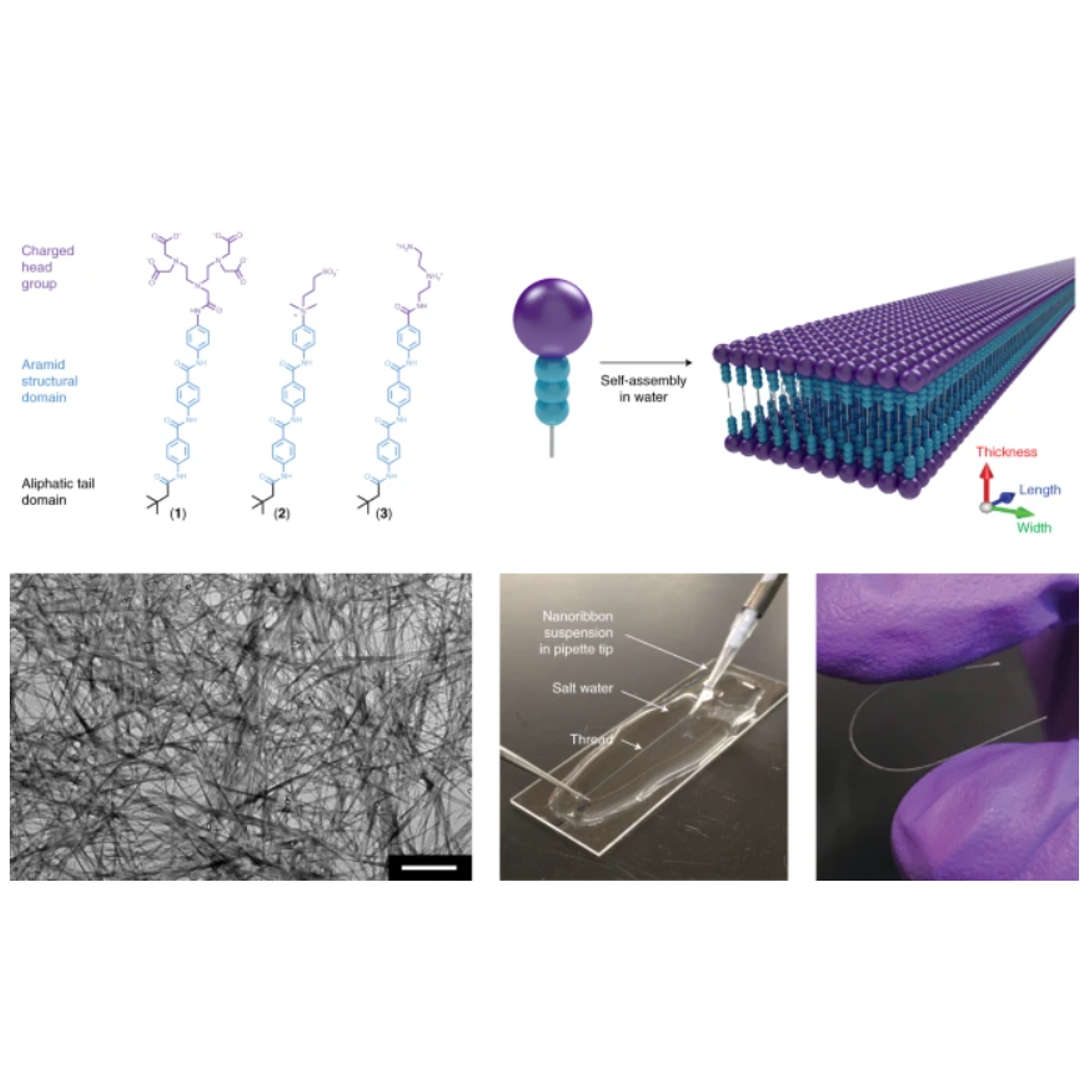
In my work, I synthesized a series of novel amphiphiles incorporating molecular motifs from Kevlar, a material commonly known for bulletproof vests, to enhance mechanical stability of assembled structures.

By varying molecular flexibility of Kevlar-based amphiphiles, I achieved a library of self-assembled structures including nanoribbons, nanohelixes, and nanoplates. I used the stiffest nanoribbon structures to fabricate centimeters-long hierarchically ordered threads with unprecedented mechanical stability. Ultimately, this patented Kevlar-based amphiphile platform serves as a fruitful basis for future nanomaterials design.


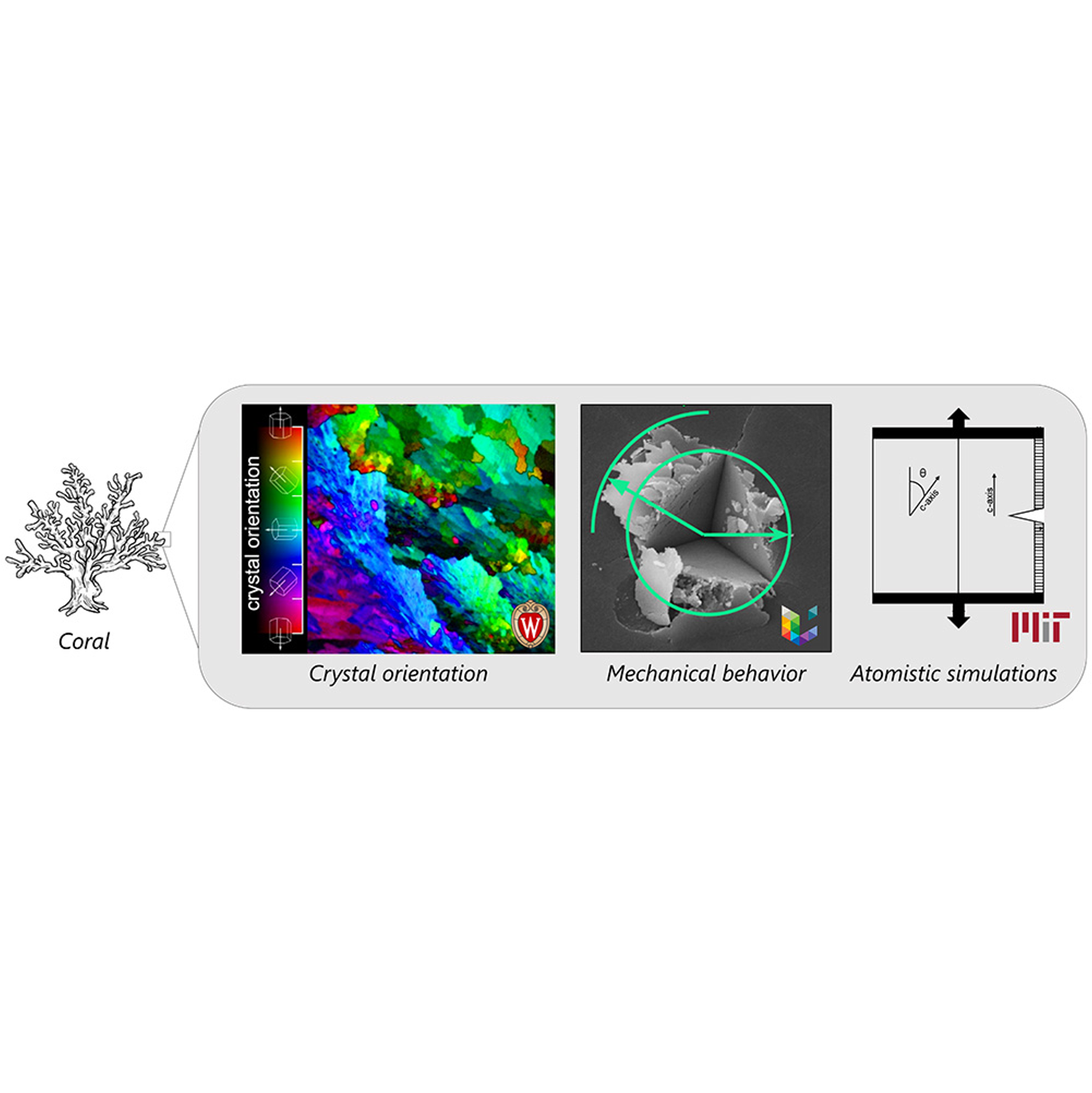
How can we probe the atomic mechanisms behind the most robust materials in nature? While direct experimental manipulation of atoms remains difficult, computational physics-based simulations can shed light on the dynamic behavior of molecules.

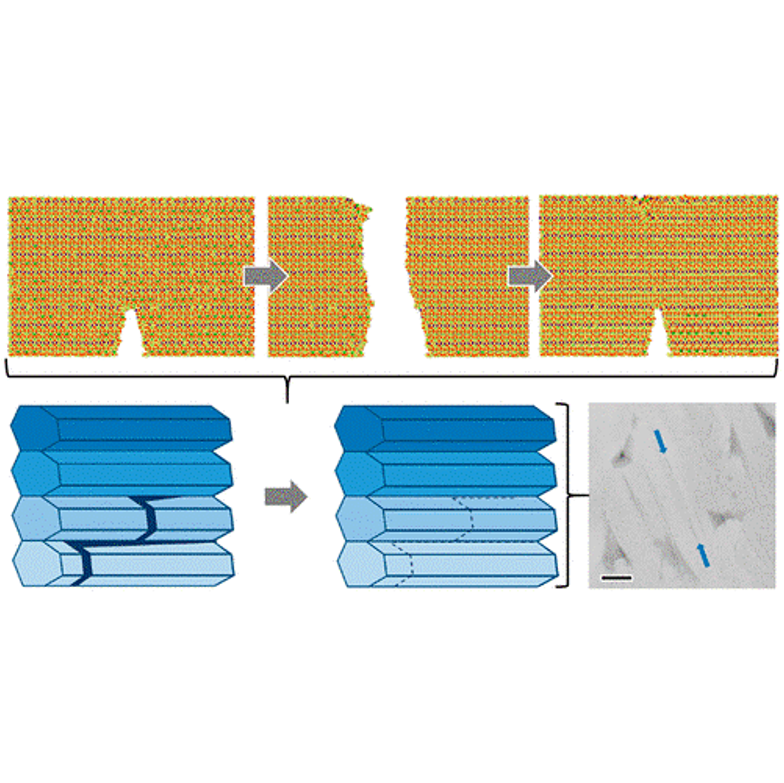
Here, I conduct such molecular dynamics simulations to investigate the toughest materials in biological systems - biominerals. Specifically, I investigate the problem of crystalline fracture in biominerals such as aragonite, calcite, vaterite, and hydroxyapatite.

I demonstrate the ability to both identify a previously overlooked mechanism for mechanical robustness and map out the applicability of a known mechanism in one biomineral to other biominerals. Ultimately, understanding these mechanisms not only provide context into why we see certain patterns in nature, but also serve as useful heuristics for designing similar bioinspired crystalline materials.
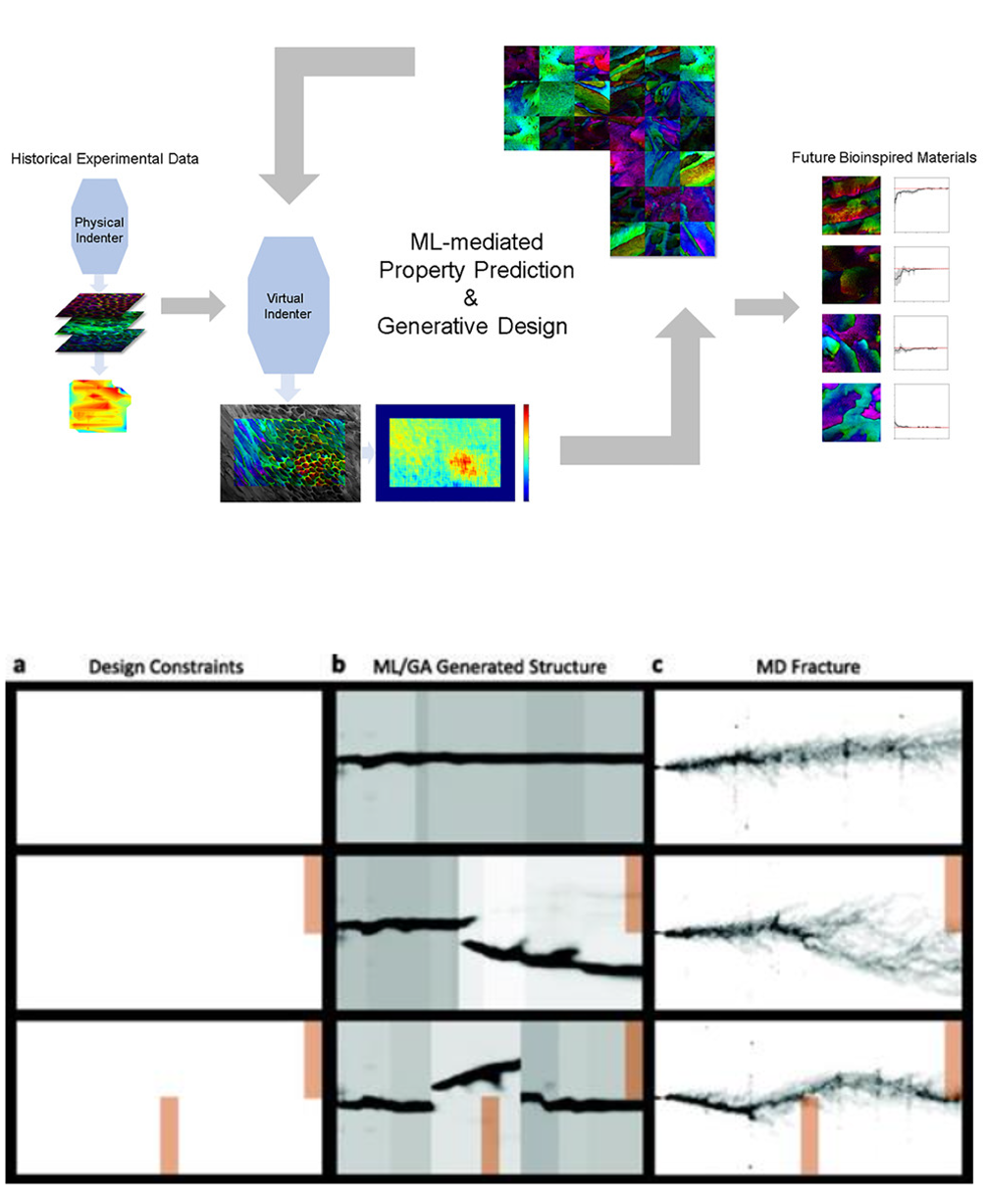
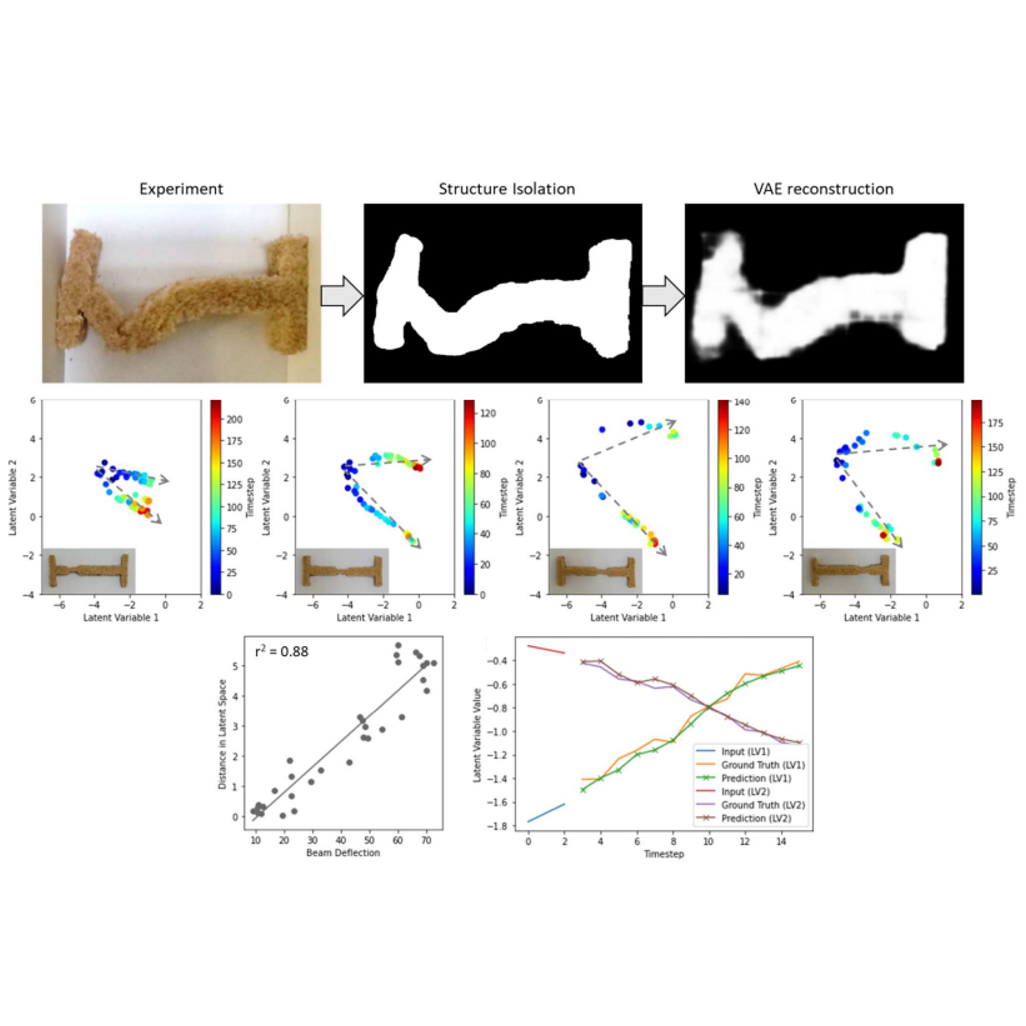
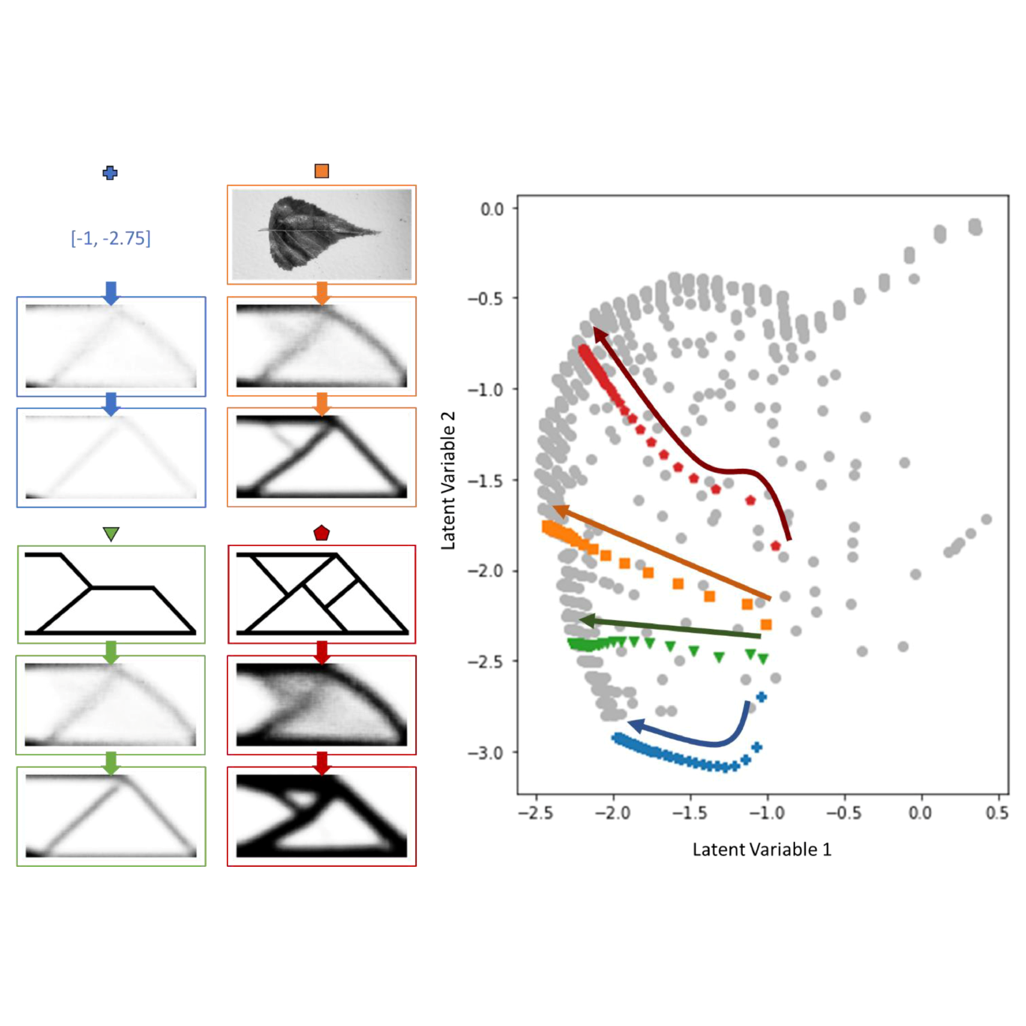
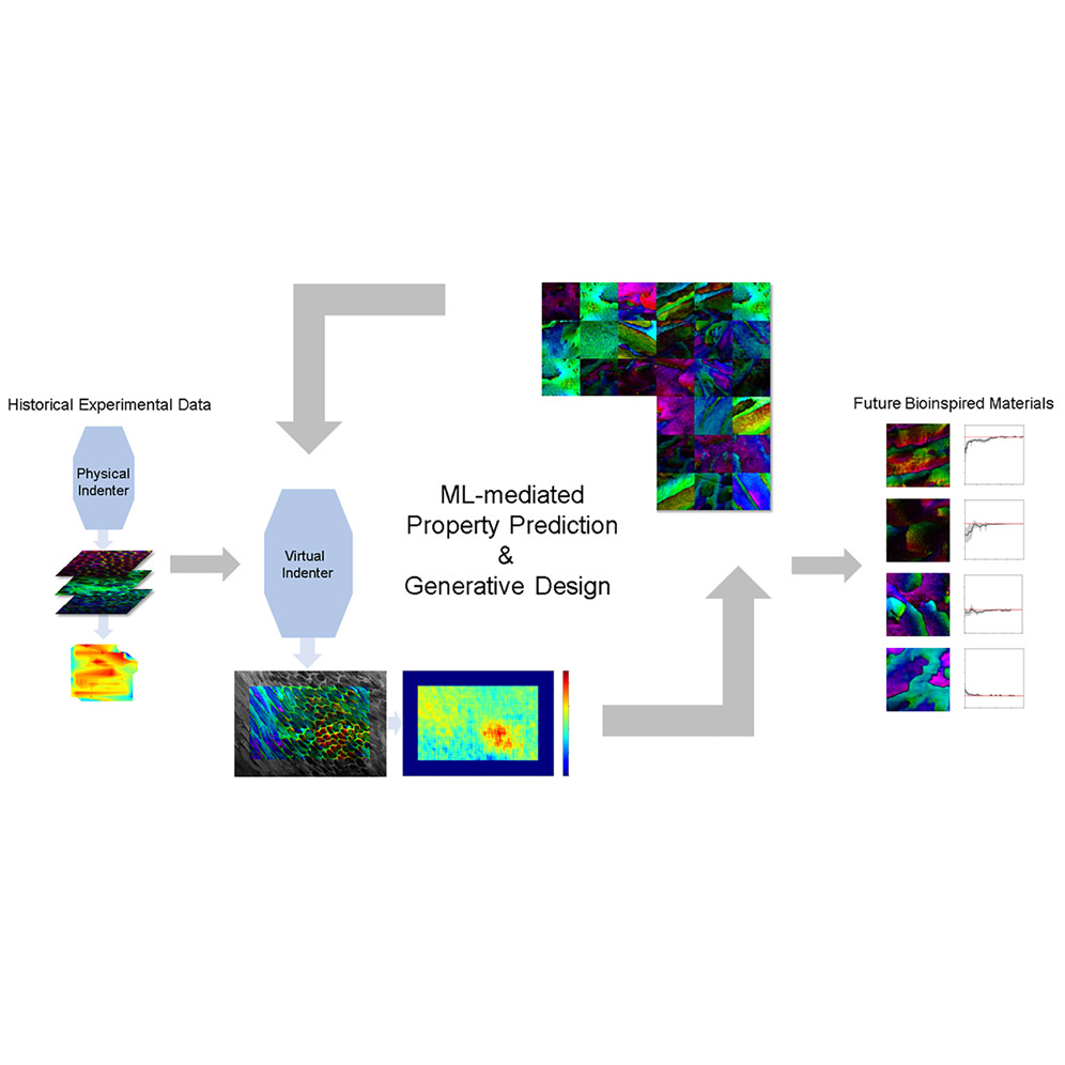
How do we explore and predict the unknown? Is it possible to pinpoint and instantiate the desired? By applying machine learning models to the relationship between a material's structure and properties, specifically strategies of surrogate modeling and latent space representation, I reach predictive insights scalable in sample number, system size, and complexity. Then, by considering the gestalt of bioinspiration, physics-based simulations, and machine learning, I implement an end-to-end process for achieving generative design of material structures with dictated mechanical properties.

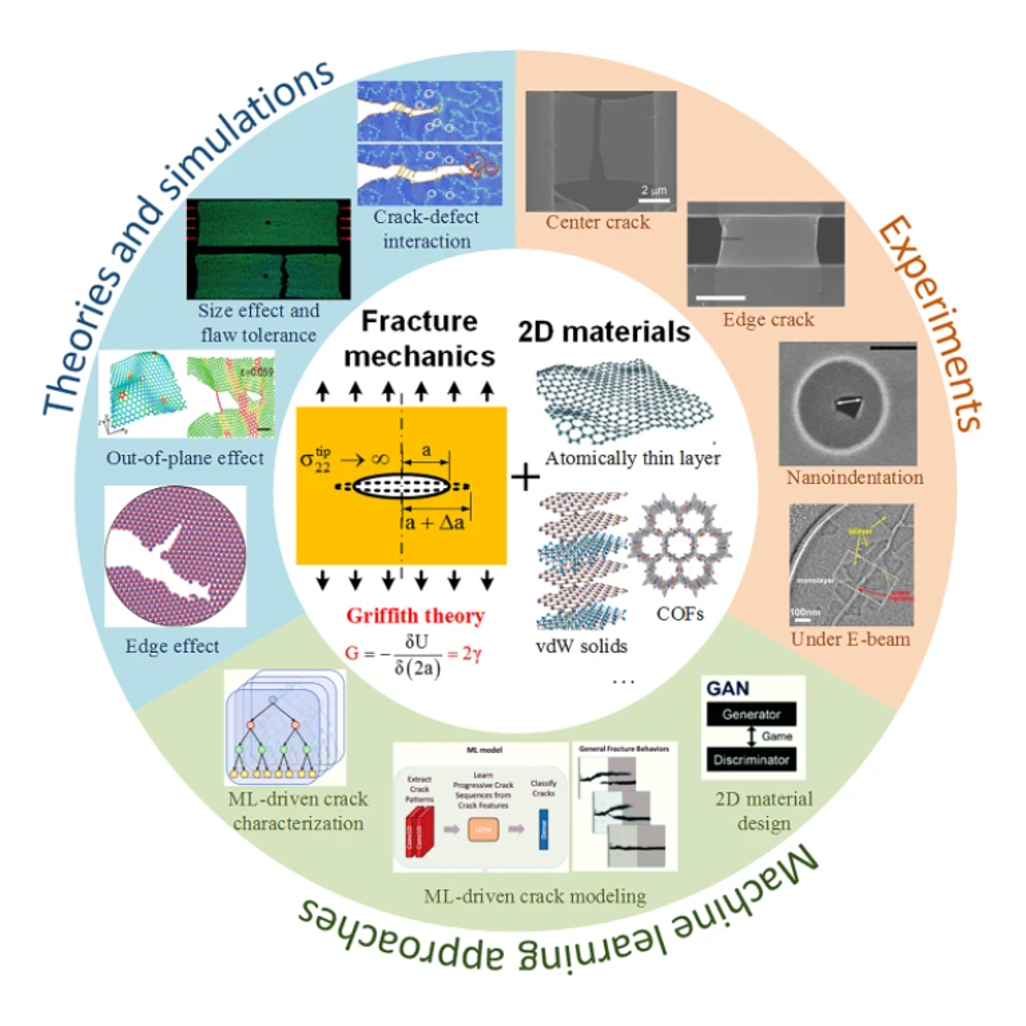
I treat predictive crystalline material fracture, cantilever compliance, and notched beam buckling by training Convolutional Neural Networks, Long-Short Term Memory networks, and Variational Autoencoders on both experimental and computational datasets. In my generative design projects for obtaining target fracture behavior, hardness values, or stress-strain properties, I additionally use Deep Residual Neural Networks, Generative Adversarial Networks, and Genetic Algorithms.

Ultimately, this cross-disciplinary paradigm allows us to reach farther than any singular perspective in isolation, and the results here represent only the beginning of what is now possible.
List of Publications

Lew, A.J.
Accelerating Materials Recipe Acquisition via LLM-Mediated Reinforcement Learning.
MRS Advances. (2025). https://doi.org/10.1557/s43580-025-01143-9


Lew, A.J., Stifler, C.A., Cantamessa, A., Tits, A., Ruffoni, D., Gilbert, P.U.P.A., Buehler, M.J.
Deep learning virtual indenter maps nanoscale hardness rapidly and non-destructively, revealing mechanism and enhancing bioinspired design.
Matter. (2023). https://doi.org/10.1016/j.matt.2023.03.031


Lew, A.J., Stifler, C.A., Tits, A., Schmidt, C.A., Scholl, A., Cantamessa, A., Müller, L., Delaunois, Y., Compère, P., Ruffoni, D., Buehler, M.J., Gilbert, P.U.P.A.
A Molecular Scale Understanding of Misorientation Toughening in Corals and Seashells.
Advanced Materials. 2300373 (2023). https://doi.org/10.1002/adma.202300373

University of Liège News Feature
MIT Mechanical Engineering Feature
Advanced Science News Feature
Video Abstract


Lew, A.J., Buehler, M.J.
Single-shot forward and inverse hierarchical architected materials design for nonlinear mechanical properties using an attention-diffusion model.
Materials Today. 64, 10-20 (2023). https://doi.org/10.1016/j.mattod.2023.03.007

Materials Today Highlighted Paper


Lew, A.J., Jin, K., Buehler, M.J.
Designing Architected Materials for Mechanical Compression via Simulation, Deep Learning, and Experimentation
Nature Partner Journal Computational Materials. 9, 80 (2023). https://doi.org/10.1038/s41524-023-01036-1


Ni, B., Steinbach, D., Yang, Z., Lew, A.J., Zhang, B., Fang, Q., Buehler, M.J., Lou, J.
Fracture at the Two-Dimensional Limit.
MRS Bulletin. 47, 848–862 (2022). https://doi.org/10.1557/s43577-022-00385-4


Lew, A.J., Beniash, E., Gilbert, P.U.P.A., Buehler, M.J.
Role of the Mineral in the Self-Healing of Cracks in Human Enamel.
ACS Nano. 16, 7, 10273–10280 (2022). https://doi.org/10.1021/acsnano.1c10407


Lew, A.J., Buehler, M.J.
DeepBuckle: Extracting physical behavior directly from empirical observation for a material agnostic approach to analyze and predict buckling.
Journal of the Mechanics and Physics of Solids. 164, 104909 (2022). https://doi.org/10.1016/j.jmps.2022.104909

U.S. Provisional Patent Application No. 63/333493. Filed April 21, 2022.


Lew, A.J., Buehler, M.J.
A deep learning augmented genetic algorithm approach to polycrystalline 2D material fracture discovery and design.
Applied Physics Reviews. 8, 041414 (2021). https://doi.org/10.1063/5.0057162

Applied Physics Reviews Featured Article


Lew, A.J., Buehler, M.J.
Encoding and exploring latent design space of optimal material structures via a VAE-LSTM Model.
Forces in Mechanics. 5, 100054 (2021). https://doi.org/10.1016/j.finmec.2021.100054


Lew, A.J., Yu, CH., Hsu, YC., Buehler, M.J.
Deep learning model to predict fracture mechanisms of graphene.
Nature Partner Journal 2D Materials Applications. 5, 48 (2021). https://doi.org/10.1038/s41699-021-00228-x

MIT News Feature


Lew, A.J., Kaser, S.J., Kim, DY, Christoff-Tempesta, T., Cho, Y., Ortony, J.H.
Effects of molecular flexibility and head group repulsion on aramid amphiphile self-assembly.
Molecular Systems Design & Engineering. 6, 1016-1024 (2021). https://doi.org/10.1039/d1me00120e


Christoff-Tempesta, T., Cho, Y., Kim, DY. Geri, M., Guillaume, L., Lew, A.J., Zuo, X., Lindemann, W.R., Ortony, J.H.
Self-assembly of aramid amphiphiles into ultra-stable nanoribbons and aligned nanoribbon threads.
Nature Nanotechnology. 16, 447–454 (2021). https://doi.org/10.1038/s41565-020-00840-w

U.S. Patent Application No. 16/825724. Filed September 24, 2020.


Lew, A.J., Christoff-Tempesta, T., Ortony, J.H.
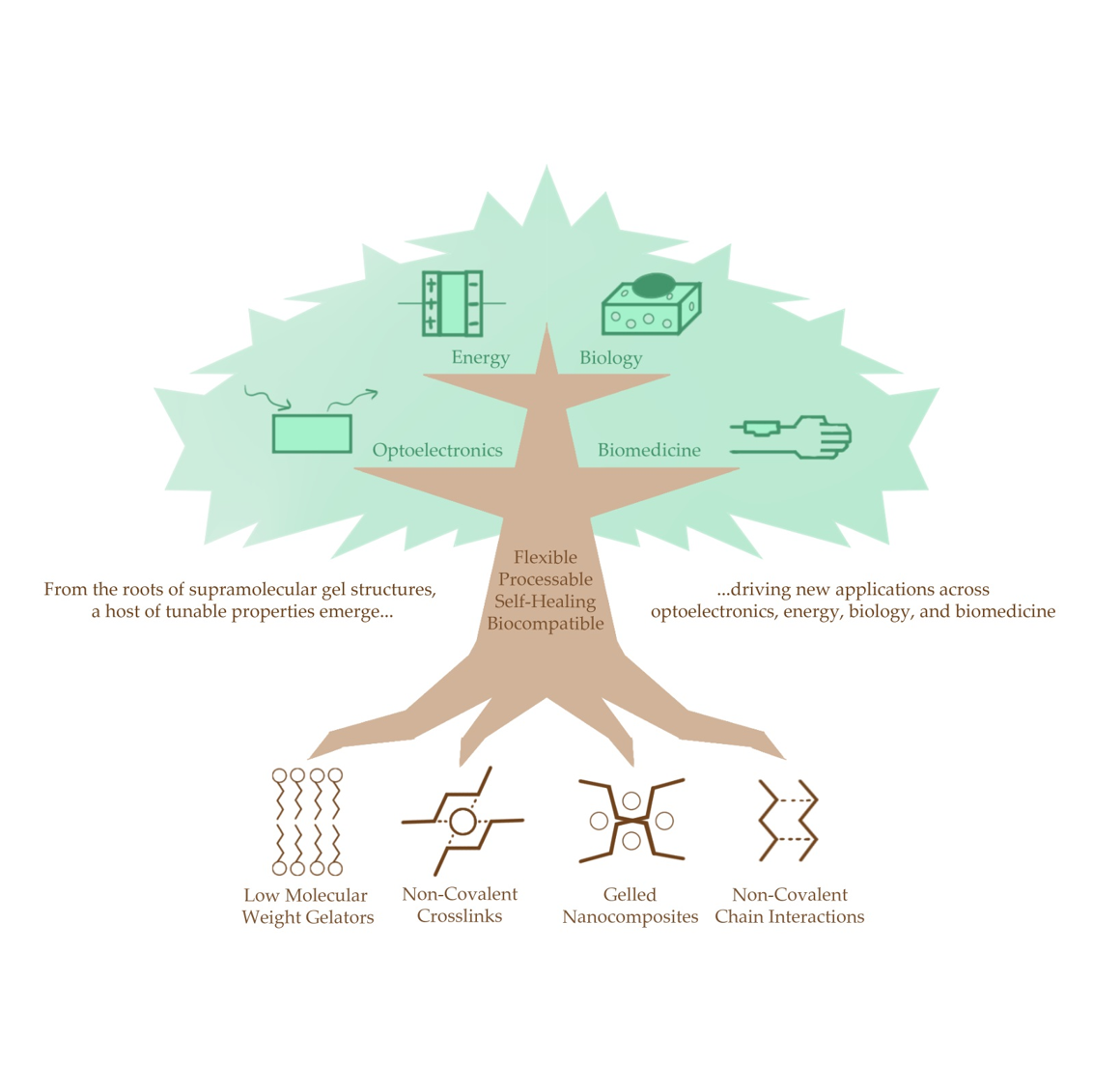
Beyond Covalent Crosslinks: Applications of Supramolecular Gels.
Gels. 4, 40 (2018). https://doi.org/10.3390/gels4020040


List of Presentations


Lew, A.J.
Elucidating Structure-Property Relationships for Targeted Materials Mechanical Design
MIT Public Thesis Defense, Cambridge. (2022).

Lew, A.J., Buehler, M.J.
Leveraging Deep Learning Models to Expedite and Expand the Exploration of Material Structures for Mechanical Design.
10th International Conference on Multiscale Materials Modeling, Baltimore. Talk #2011619 (2022).

Lew, A.J., Gilbert, P.U.P.A., Buehler, M.J.
Non-destructive Hardness Prediction via Deep Learning Image Regression Models.
MRS Spring Meeting and Exhibit, Virtual. Poster #SF12.11.06 (2022).
Outstanding Contribution

Lew, A.J., Buehler, M.J.
A Deep Learning Augmented Genetic Algorithm Approach for 2D Fracture Discovery and Design.
MRS Fall Meeting and Exhibit, Boston. Talk #DS03.03.04 (2021).

Lew, A.J., Buehler, M.J.
Cutting Through Failure by Traversing Across Disciplines: Leveraging Traditional Mechanics, Deep Learning, and Genetic Algorithms to Predict Fracture and Design Material Structure.
MIT Chemistry Student Seminar, Cambridge. Talk #10 (2021).

Lew, A.J., Buehler, M.J.
Using Deep Learning to Predict Fracture: Analysis, Design, and Additive Manufacturing.
16th US National Congress on Computational Mechanics, Virtual. Talk #21721056 (2021).
Keynote Address

Lew, A.J., Kim, DY, Ortony, J.H.
From Molecules to Macroscale: Self-assembly of Robust Hierarchically Ordered Materials.
MIT WIC/CADI Poster Symposium, Cambridge. Poster (2019).

Lew, A.J., Machness, A., Goorsky, M.
Synthesis and Characterization of Superparamagnetic Iron Oxide Nanoparticles for Magnetic Hyperthermia Applications.
UCLA Undergraduate Research Week, Los Angeles. Poster #557 (2017).
Vice Provost's Poster Recognition Award

Lew, A.J., Lieng, J., Tran, V., Wolfman, J.
I Beam Glass Fiber.
SAMPE Conference and Exhibition, Seattle. Poster Category D (2017).

Lang, A., Cruz, A., Reyes, A., Lew, A.J., Sulian, A., Lara, A., Del Signore, C., Kotcherha, C., Webber, D., Babiker, H., Wu, J., Cho, K., Matsui, K., Johnson, L., Conde, L., Gutierrez, N., Saepoo, S., Slavin, S., Akiyama, T.
Microelectronics: Micro-design, Mega-impact.
Northrop Grumman Intern Showcase: Explore Space, Redondo Beach. Poster (2016).
Best Overall Presentation Award

Lew, A.J., Timmons, J., Lieng, J., Figueroa, J., Chu, K.
Square Beam Glass Fiber.
SAMPE Conference and Exhibition, Long Beach. Poster Category E (2016).

Lew, A.J., Machness, A., Goorsky, M.
Synthesis and Characterization of Superparamagnetic Iron Oxide Nanoparticles with Varying Precursor Addition Rate.
ACS Southern California Undergraduate Research Conference, Long Beach. Poster #42 (2016).
Outstanding Poster Award